
Connecting people and place
Throughout 2025, 9 library services partnered with The Space to create Digital Spaces 2. One focus of the project was to forge links between communities, artists and libraries.
Drawing on their place-based work with local communities as part of the Digital Spaces project, Gemma and Kelman Greig-Kicks from film production company Neon 8, and digital professionals from across the arts industry, share their tips on how libraries can become community-focused hubs of digital creativity.

Define your vision
Every library is situated within its own unique landscape of geography, culture and history, and every community will have distinct needs. Within this context, it’s essential to establish how can digital technology can best serve your communities. What access opportunities could it offer? What do local people want to explore, create or do? By understanding what your creative hub could look like, and what value it could bring to people, you’ll be better placed to take practical steps towards the vision, secure funding and gain staff support.
Draw on community relationships
This is the cornerstone of your project – the open, trusted relationships that exist between libraries and the people who live near them will enablecreative engagement has the potential to flow and flourish. Some community groups already use your library, but there’ll be others who don’t. Why not go into the local pubs, the colleges, or centres that support asylum seekers, and invite the people you meet back into the library? Key to developing relationships is not only identifying the ‘connectors’ in the community – the people who can act as links between community and library – but assigning your own stable point of contact. If community members can reach one known and welcoming person, it will do wonders to help build trust and communication.
“We visited groups and events around our local area in Leeds that had a gardening focus. This meant we found people who were already engaged with the theme of our project, which made it easier to forge those relationships and bring the voices of local people into our installation. Some of the reflections we recorded were really poignant and moving!”
Liam Garnett, Senior Librarian, the Speaking Garden project at Leeds Library.
Build accessibility and inclusion into everything you do
Think about how you ensure disabled and other marginalised people can participate in what you offer. This might involve a new use of technology, for example including creative audio description in new content.
Don’t be afraid to ask disabled people what would make them feel more welcome. Work with and involve disabled artists, producers who use digital tools. The value of embedding this can be immense.
Move from consumption to co-creation
Encouraging community members to create their own content can empower them to tell their own stories and connect meaningfully with people both within and outside of their community. Reach out to local, community-focused artists who can facilitate workshops and bring an innovative, creative eye to your project. By choosing local artists, there will be the potential to develop long-term relationships with them – just be sure to allow the artist a good amount of time to develop relationships with the groups.
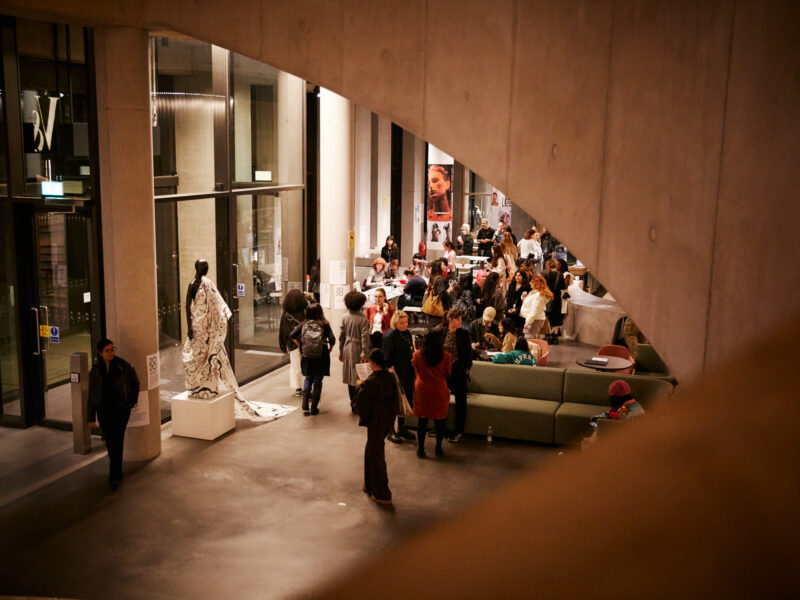
“We worked with an artist who ran workshops with a group of local South Asian women, and encouraged them to respond creatively to the themes of traditional dress, identity and belonging. The images and words that they created were then woven into the final VR experience that we exhibited in the library. The community members were thrilled to see their own creativity represented in this way!”
Natasha Nelson, Digital Inclusion Coordinator, Threads of Home project at Newham Libraries
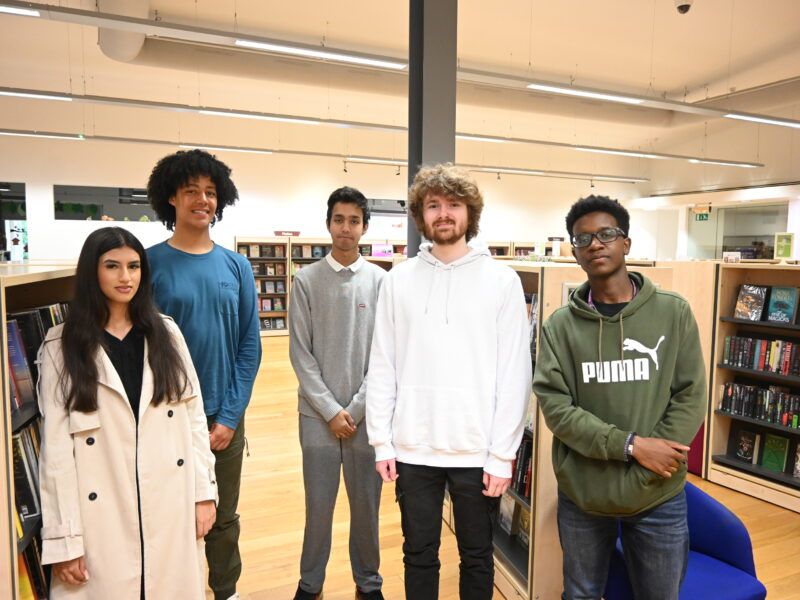
Exhibit the work of community members
This is when the magic happens. Giving digital work a physical space roots it in community and enables local people to feel heard and seen. For other members of the public, too, it brings them into contact with people in their own city who they might not otherwise have known or understood, breaking down cultural, social and generational barriers.
“We advertised through many different channels for young poets and musicians to come forward to create their own original work – and have it filmed and showcased in VR. We had to be really patient with the process at times, but the end result was fantastic – to launch it, we planned events that we knew would draw in new audiences, such as open mics, gigs and poetry workshops, but also incorporated the VR headsets into bread and butter library events such as ‘Gentlemen’s Coffee Mornings’ or ‘study time’ for students. The young people got a real boost from seeing their work received in this way. Some of them continue to perform at library events, and have even asked for work experience or full time work in our library.”
Andrea Hardaker, Development Officer, The Pulse of Bradford project for Bradford Libraries
How useful was this resource?
Further reading
