
Selling your project
Marketing digital services in libraries
Throughout 2025-26, ninle library services partnered with The Space to create our second iteration of our Digital Spaces Programme. One focus of the project was digital marketing, both promoting in-library activities and experiences, and reaching audiences who’d access content online.
Here, The Space’s digital marketing associate Angie McFarlane and Tiffany Lomas and Carrina Blake from Coventry Library Service share their recommendations for social media marketing and promotion.

Identify your audiences
As well as getting to know the people coming through your doors every day, it’s also worth looking at the audience data from any existing digital content and establishing who is interacting with it. Look at the age range and geographic spread of your audience across all your channels and figure out what kind of content they are interested in. From here, consider if there are people who aren’t engaging with your content who you’d like to reach. Knowing this will focus your marketing efforts.
Reach your audiences
The media landscape is more fragmented than ever and your audiences could find you through any number of channels – an Instagram Reel, a WhatsApp chat, or a Google search. You don’t need to be everywhere, but you do need to pick a manageable number of well-used channels and tailor your content to each platform.
Just bear in mind that, although social media channels are important for promotional messaging, seeding news about an event within wider community groups is often a more effective way to spread the word. If you’re screening a David Attenborough documentary, for instance, is there a local nature group who would post about it on their Facebook page?
Map out your publishing schedule
Start planning what needs to be done and when as early as you can. How long will it take to create the visual identity for the project, and gather all the assets? When will the press need to be notified? Having a promotional timetable mapped out will ensure you can co-ordinate all your content channels and launch the project with everything in place.
Make your project easier to discover
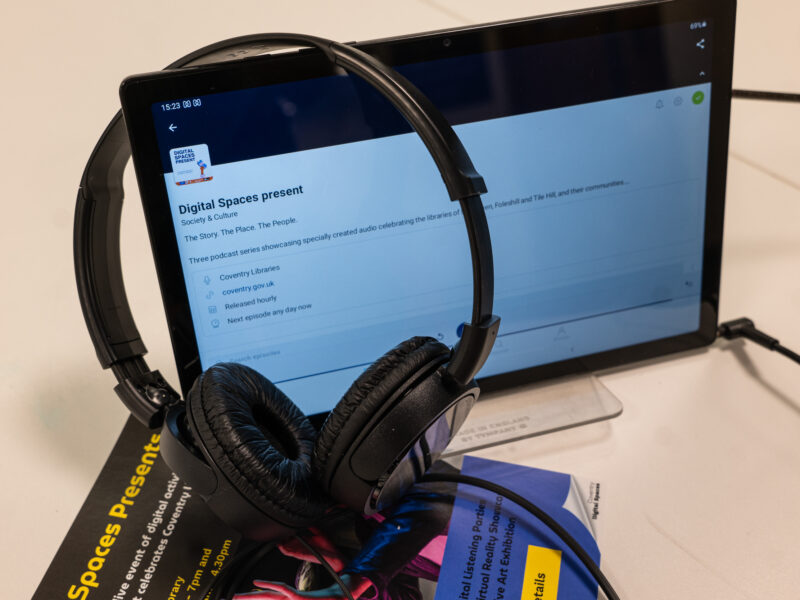
A dedicated webpage can give the digital experience a personality and a voice, as well as offering a practical space where people can find out more about events or new experiences. Get this up and running early on – sometimes creating new pages or sections within an existing website might require you to get approval from elsewhere, so make sure you allow time for this. Across all your channels, it’s now especially important that information is clear and can be easily read by AI-generated searches.
Find your digital champions
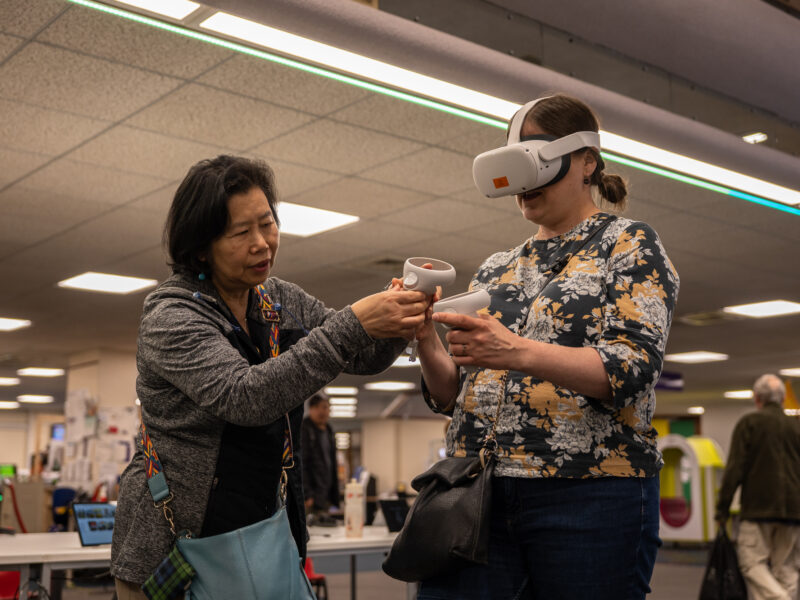
Who within your libraries is curious about digital technology? Who wants to learn more, and who is already passionate about it? Identify potential ambassadors for your project who’ll be keen to encourage visitors in the library to try new digital experiences, or who are willing to do the behind-the-scenes work of marketing and production.
Be strategic about gathering your promotional assets and imagery
Developing high-quality media assets ahead of time lays brilliant groundwork for the rest of the project. As well as using design programs like Canva to create marketing assets, it’s also good to identify photo and video opportunities that’ll help ‘sell’ your offer.
For example, describing a VR experience in an Instagram post might be challenging, but a video of someone obviously enjoying themselves will be clearer and more compelling. Video is often more effective than photography at encouraging people to stop their scrolling, but it’s best to gather assets that are adaptable and can work on different levels.
Here’s our short guide to using Canva to create marketing assets.
Lead with the content, not the technology
When trialling new mediums such as VR, audiences without prior experience might be unsure of the technology. For that reason, promoting the content rather than the format can be effective in enticing people through the door. What is it about the story that makes it moving, or exciting? What themes emerge?
That said, it’s also important to give people confidence about emerging technologies. By letting audiences know what to expect from, for example, an immersive installation, it can remove uncertainty and help them to take the next step to engage with the experience.

Collect testimonials from users
Gather first-hand accounts from users of their experiences that you can then use in future marketing materials. You might want to gather this as part of a short feedback survey at the end of the VR experience. Ask users how the experience made them feel and what interested them about it. Get their permission to use their comments as quotes on social media. This is a powerful and authentic way to relate the experience to your audiences.
How useful was this resource?
Further reading
